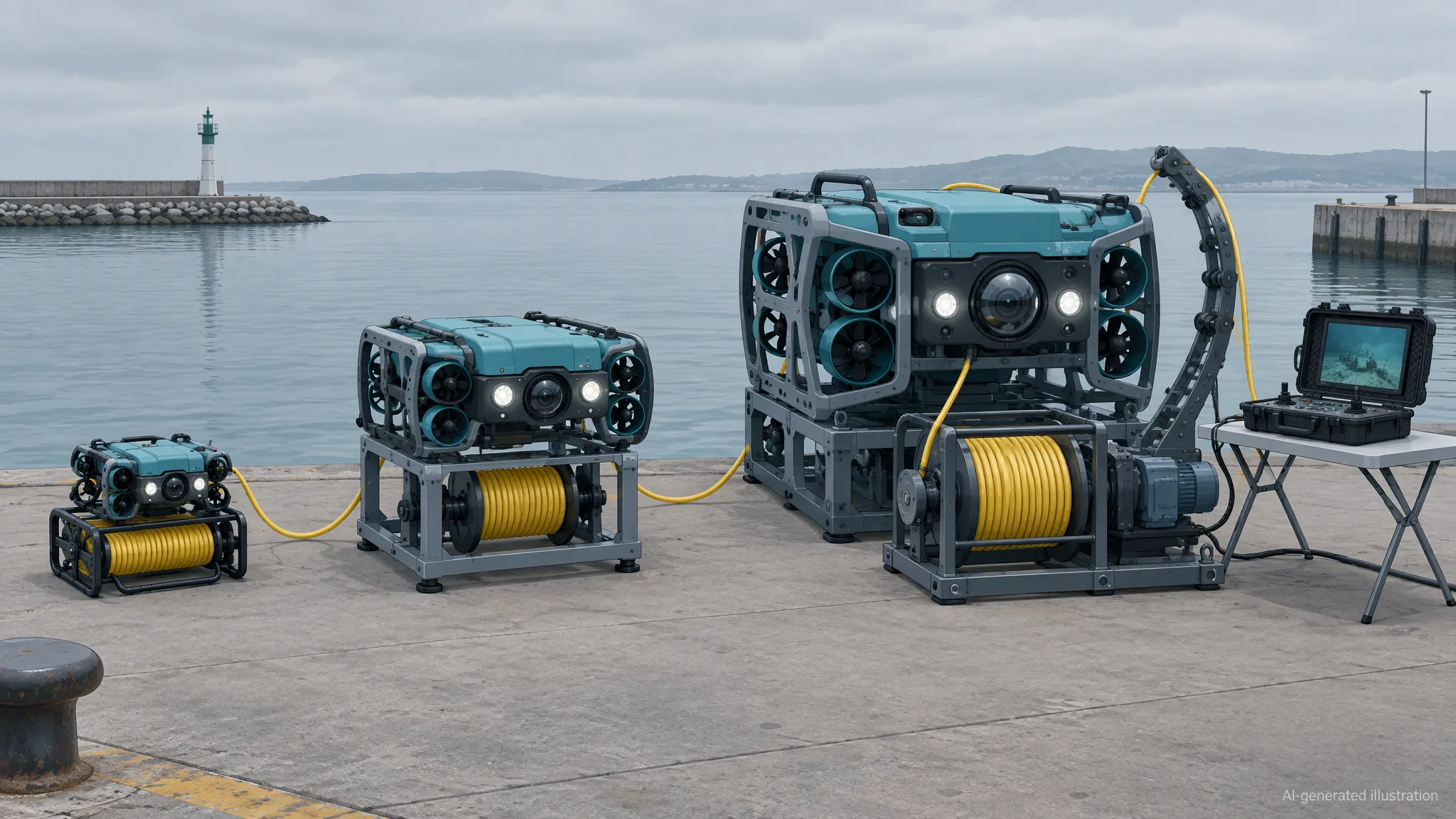
ROV Depth Rating: What Changes From a 100 m to a 300 m Vehicle
Two 300 m platforms 100 kg apart show what depth does and does not buy: what each step ships with, and the site conditions the rating leaves open.
Read articlePlan reading around live observation, inspection records and tool tasks. Separate the view an operator needs from the evidence or work the project must deliver.
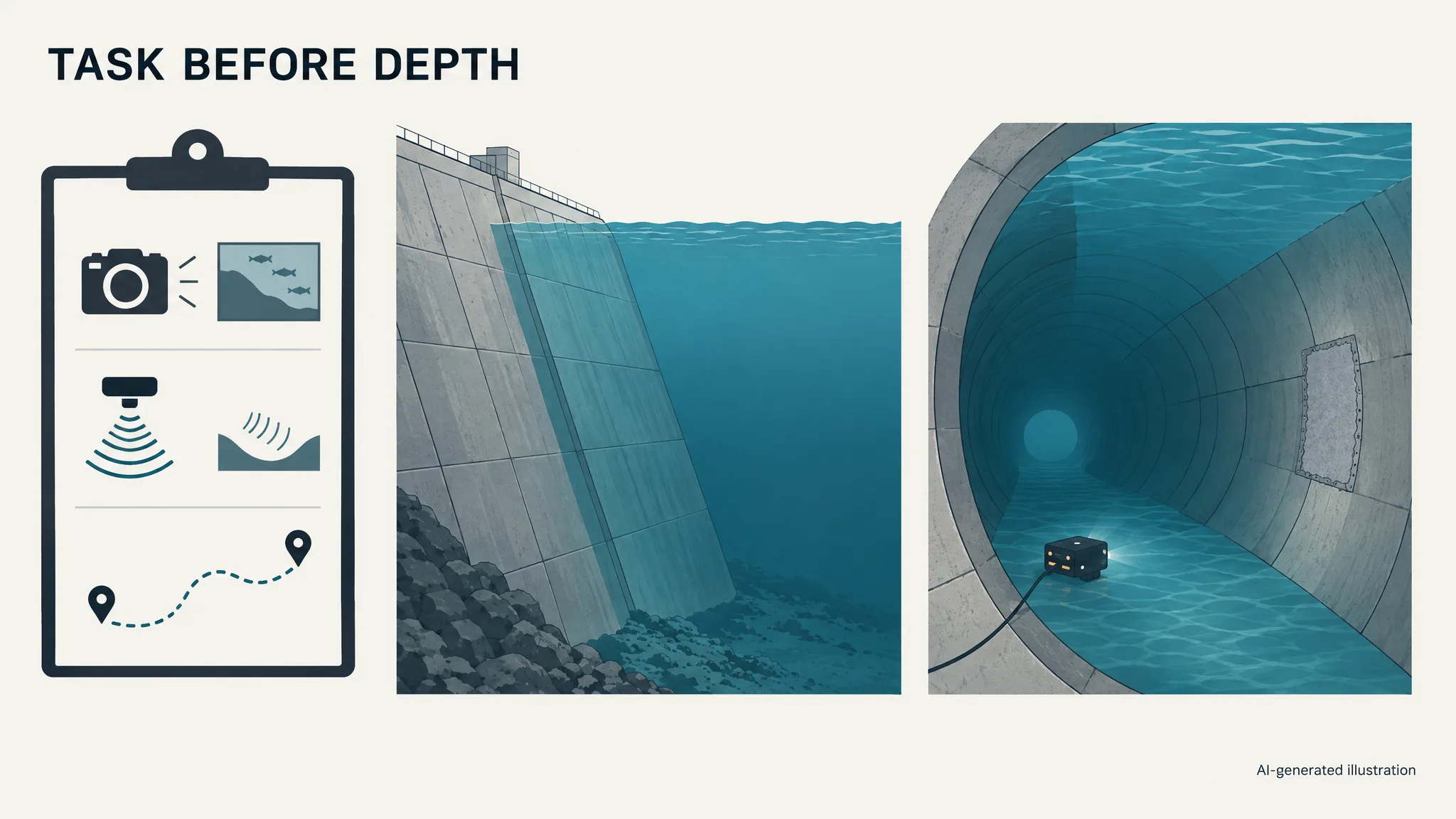
Live video supports viewpoint changes. Inspection records may also need location references, retained footage and an assessment handoff. A depth rating alone does not establish these outputs.
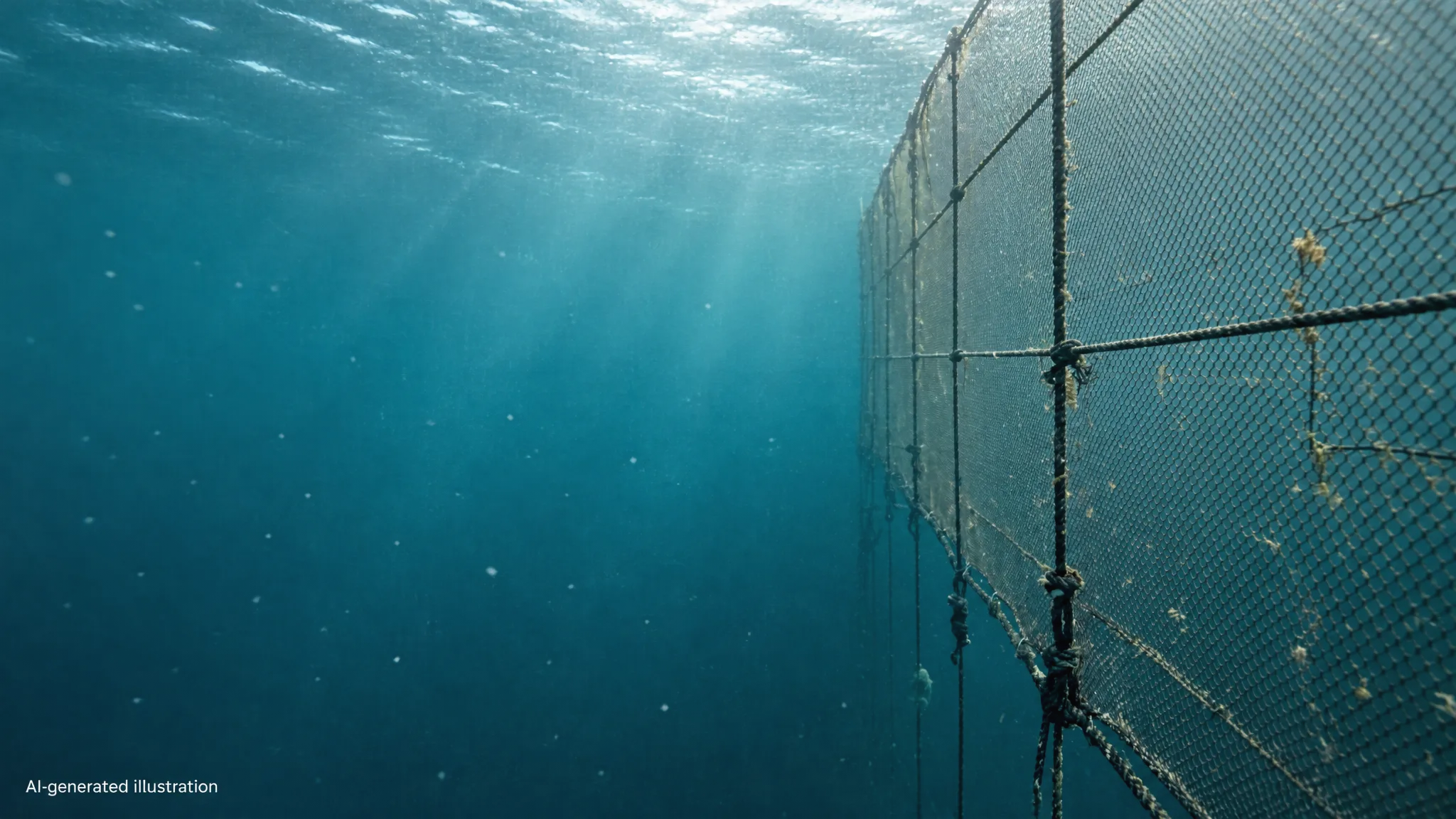
Recording net condition and removing fouling are separate tasks. Cleaning footage and vehicle paths alone do not establish inspection conclusions; a camera does not make an inspection ROV a cleaning system.
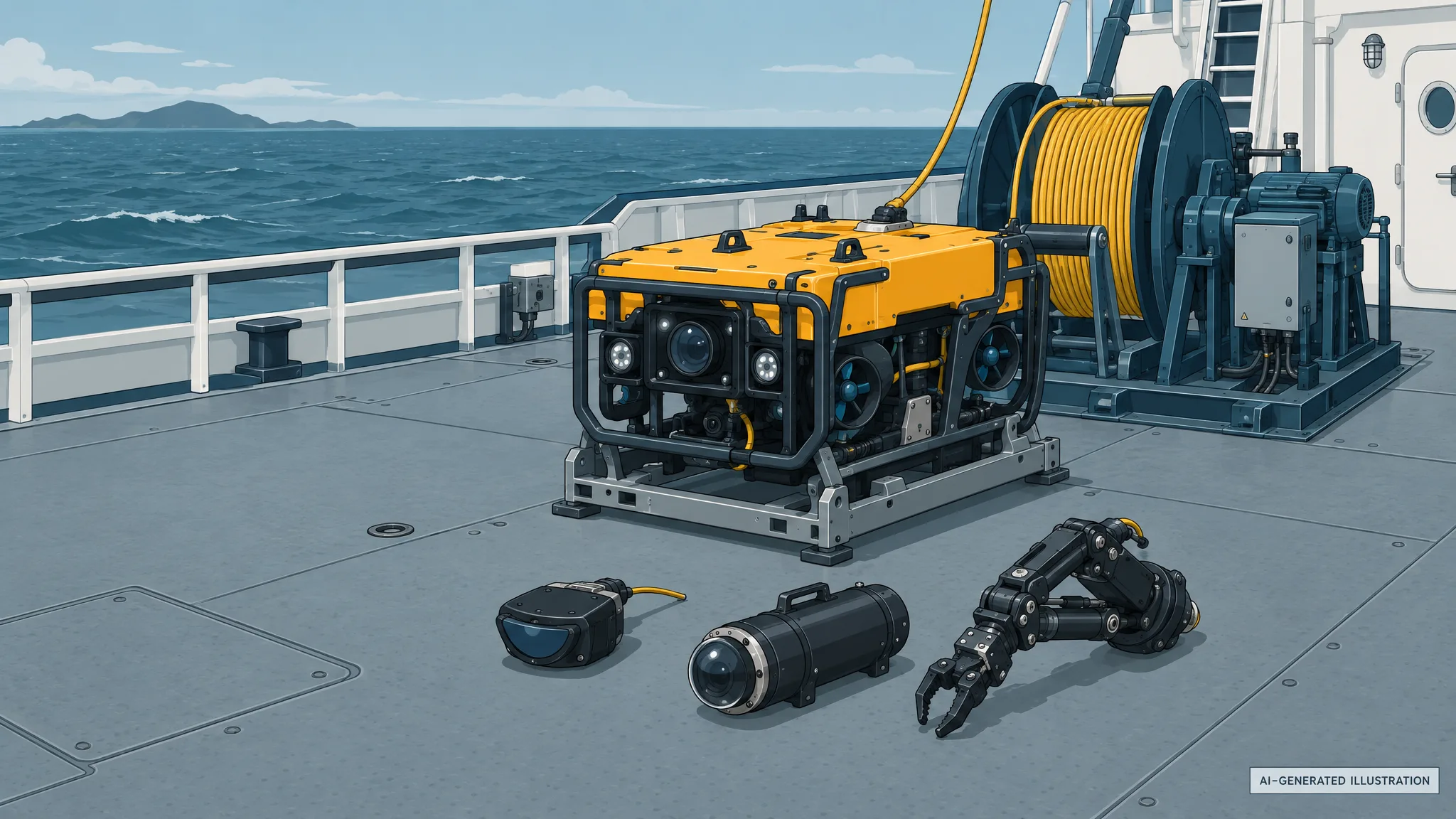
Include the operator station, cables, power and launch-and-recovery access in the equipment discussion. Review the complete selected system with the manufacturer and qualified site personnel.
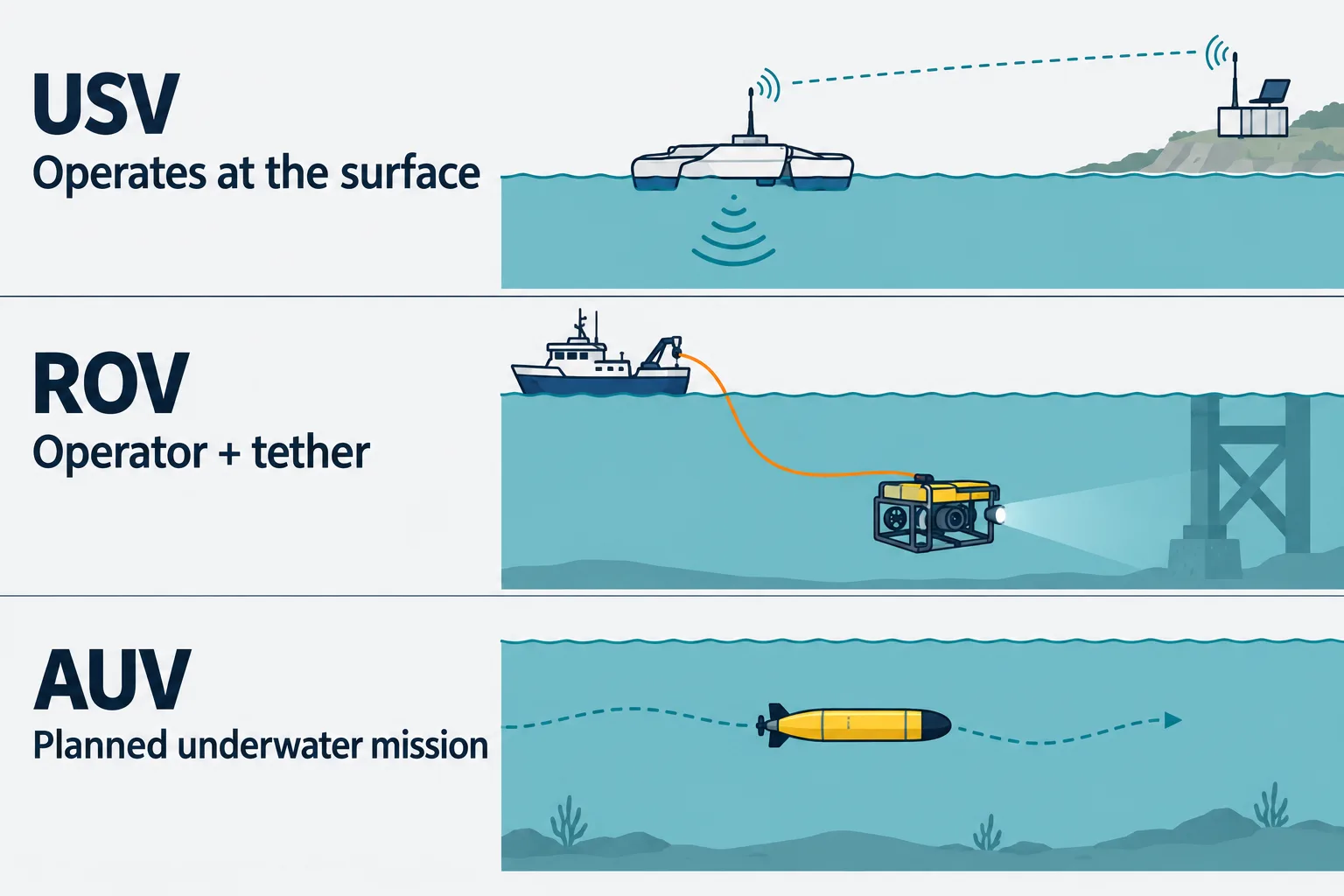
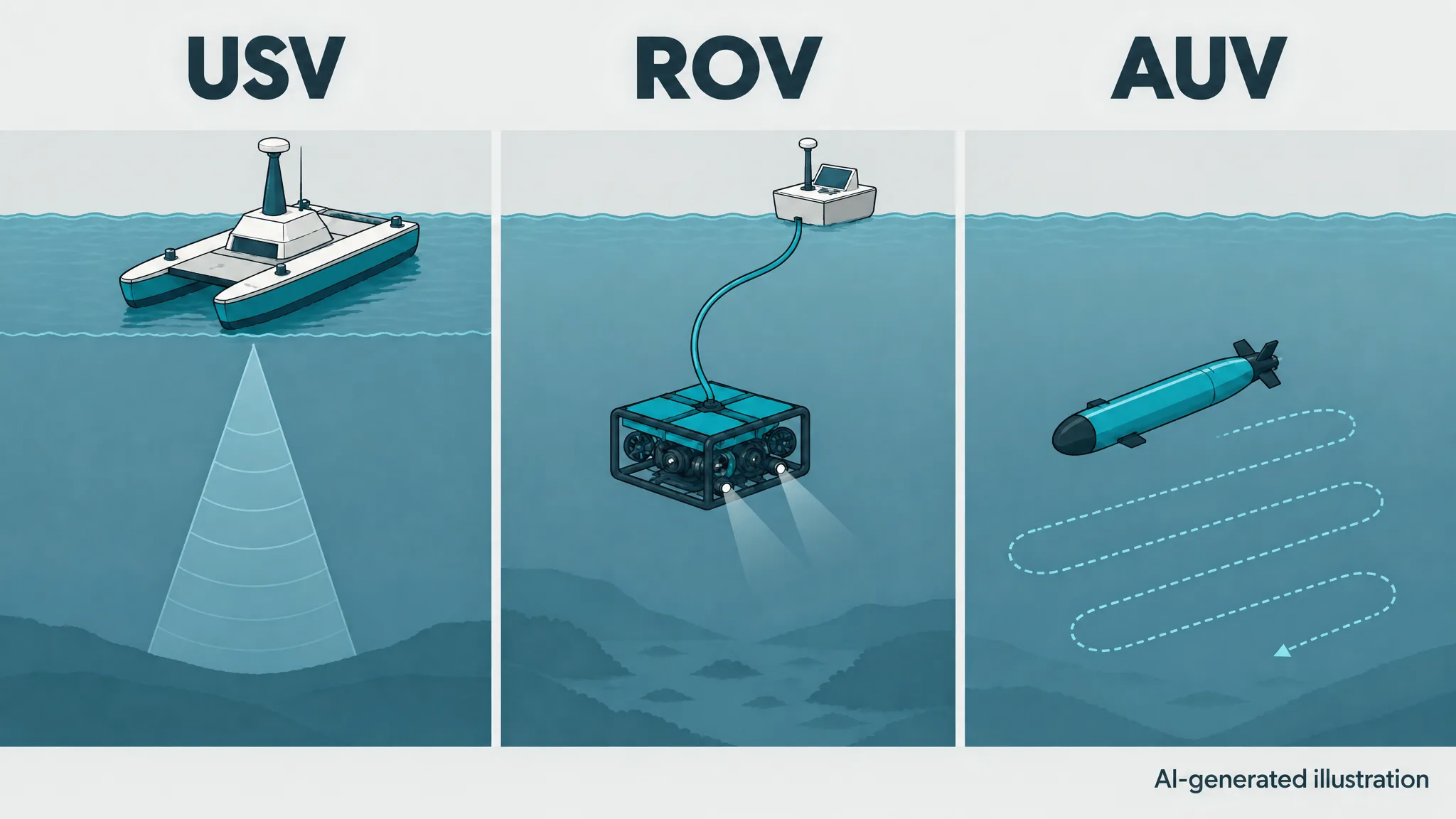
Compare surface-carried measurements, live underwater control and autonomous underwater acquisition before comparing models.
USV vs ROV vs AUV: Which to Choose?Two 300 m platforms 100 kg apart show what depth does and does not buy: what each step ships with, and the site conditions the rating leaves open.
Read articleVehicle weight, payload and buoyancy limit different things. Read Pengpai's PX ROV figures — and the third number the tables leave you to work out.
Read articleDam faces and repaired tunnels need different inspection records. Use Pengpai's hydropower examples to define observation, sonar and deployment needs.
Read articlePengpai's point-marking and cleaning-track displays show why cleaning footage and net-condition evidence need separate requirements.
Read articleContinue to the main Aqua Robot Supply website for application requirements, selection checklists and equipment specifications.
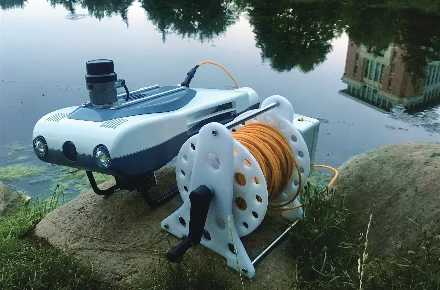
Compare inspection platforms and their documented configurations.
Review cleaning systems separately from observation-only equipment.