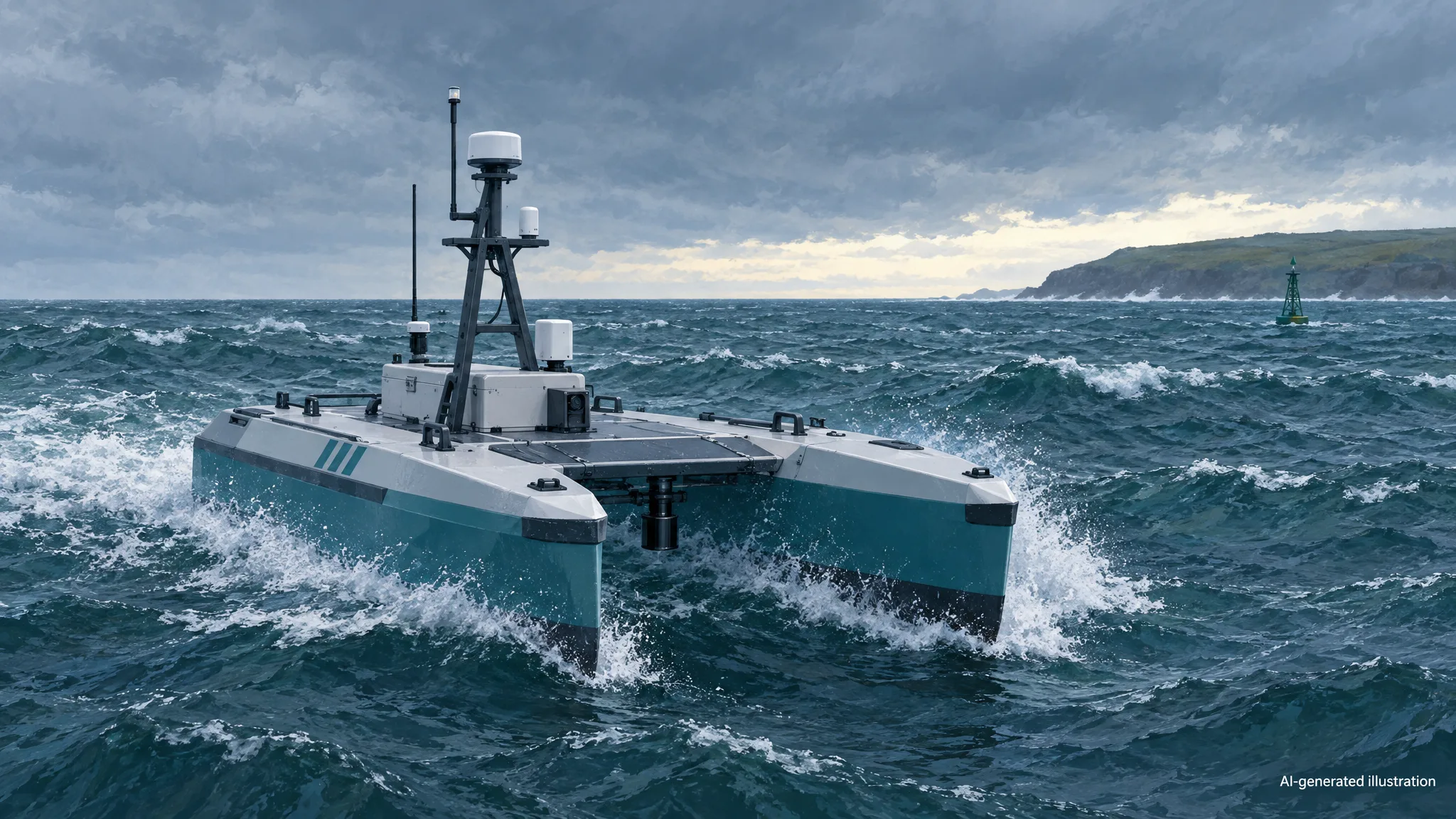
Unmanned Surface Vehicle Selection: Start With the Load
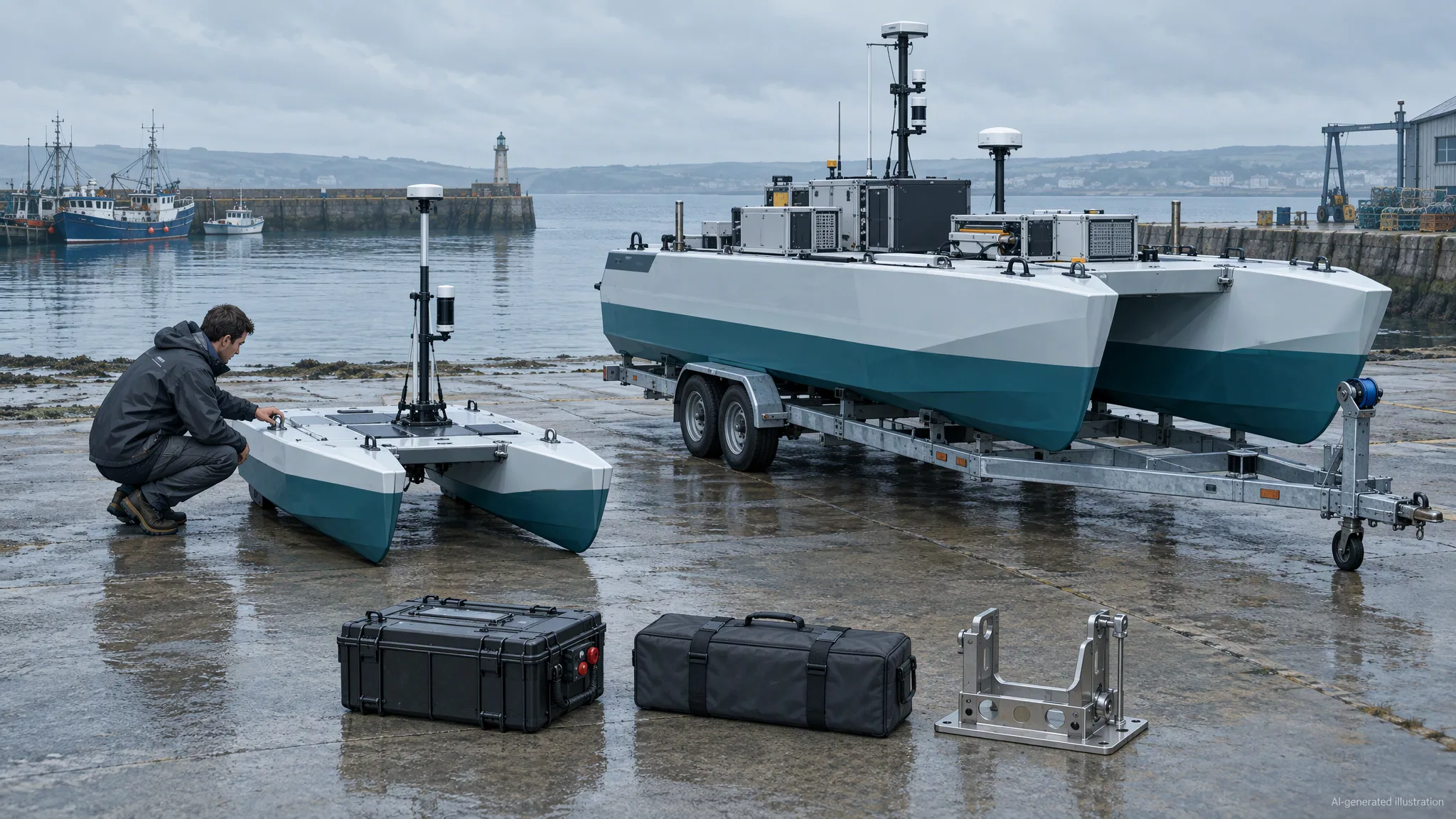
Eight Aqua Helpers USVs publish mass and load on different bases. A reconciliation test shows which figures close and what the quotation must fix.
Read articleExplore surface-based survey, water sampling and monitoring. Start with the required measurement or sample, then follow the reading route for that task.
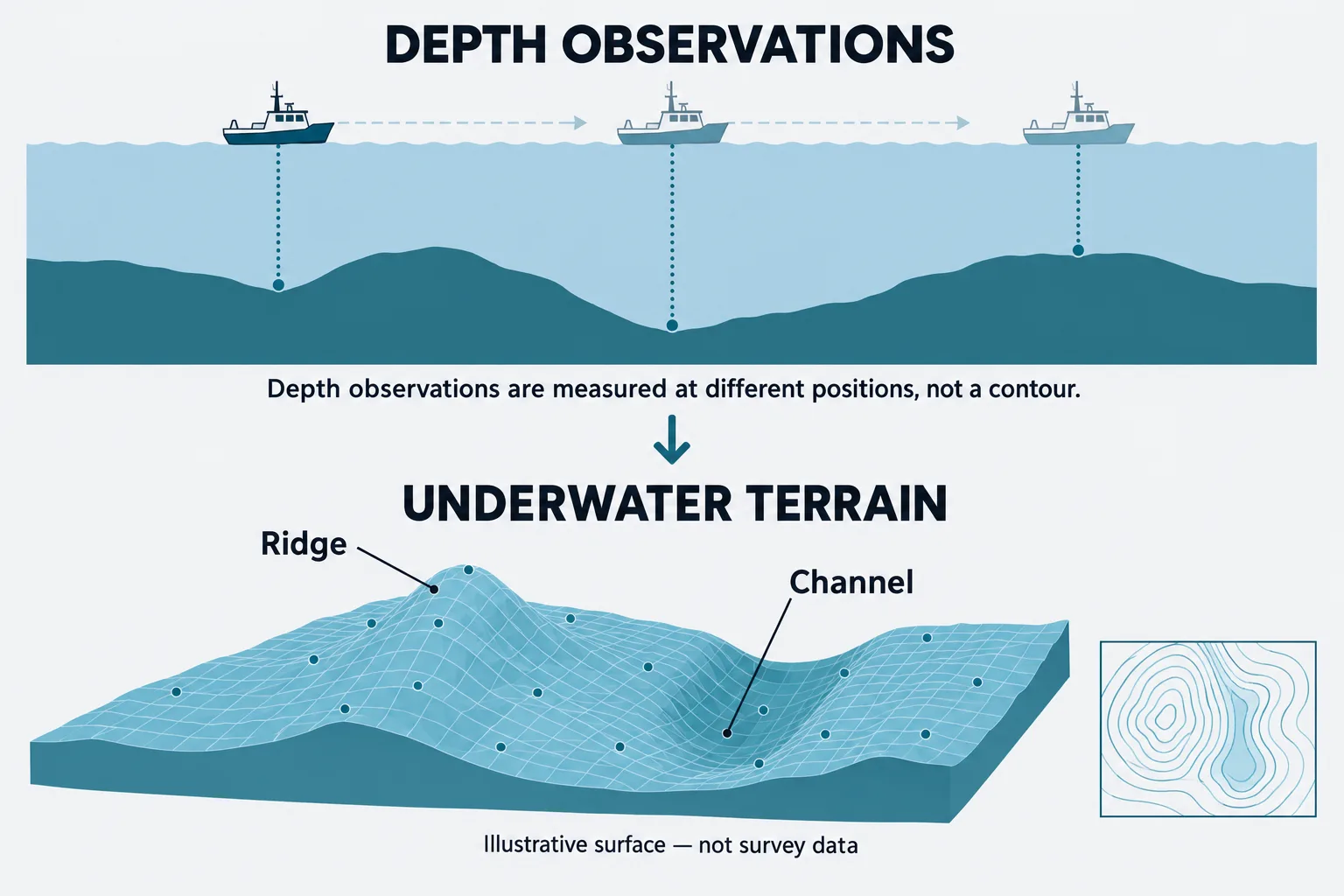
Define depth measurements, coverage and terrain output separately from sonar, positioning, mounting and reference information. A hull's payload rating alone does not establish the survey configuration.
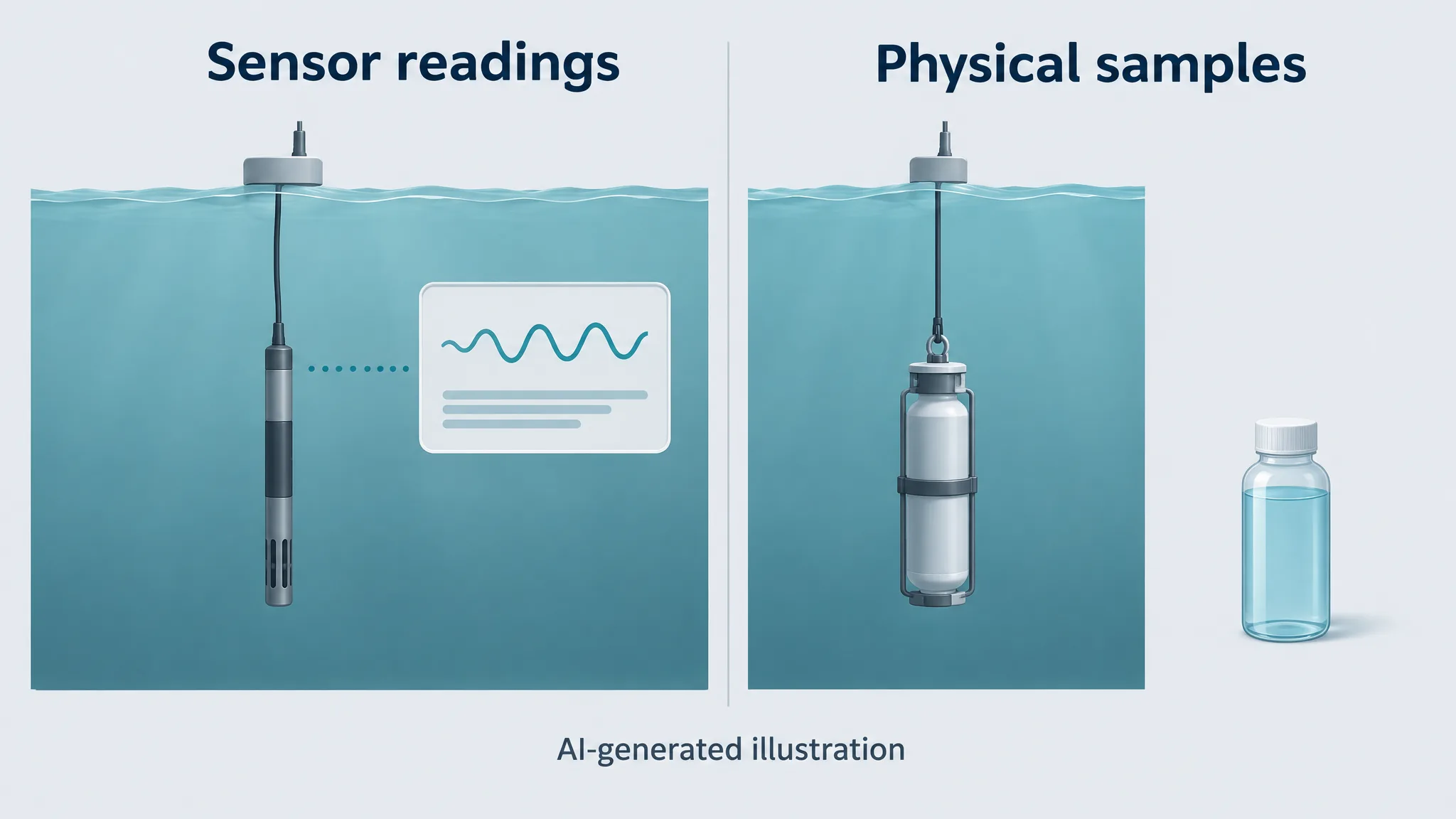
Water-quality readings and physical samples are different deliverables. Define the variables or samples, working depth and resulting record before discussing instruments and interfaces.
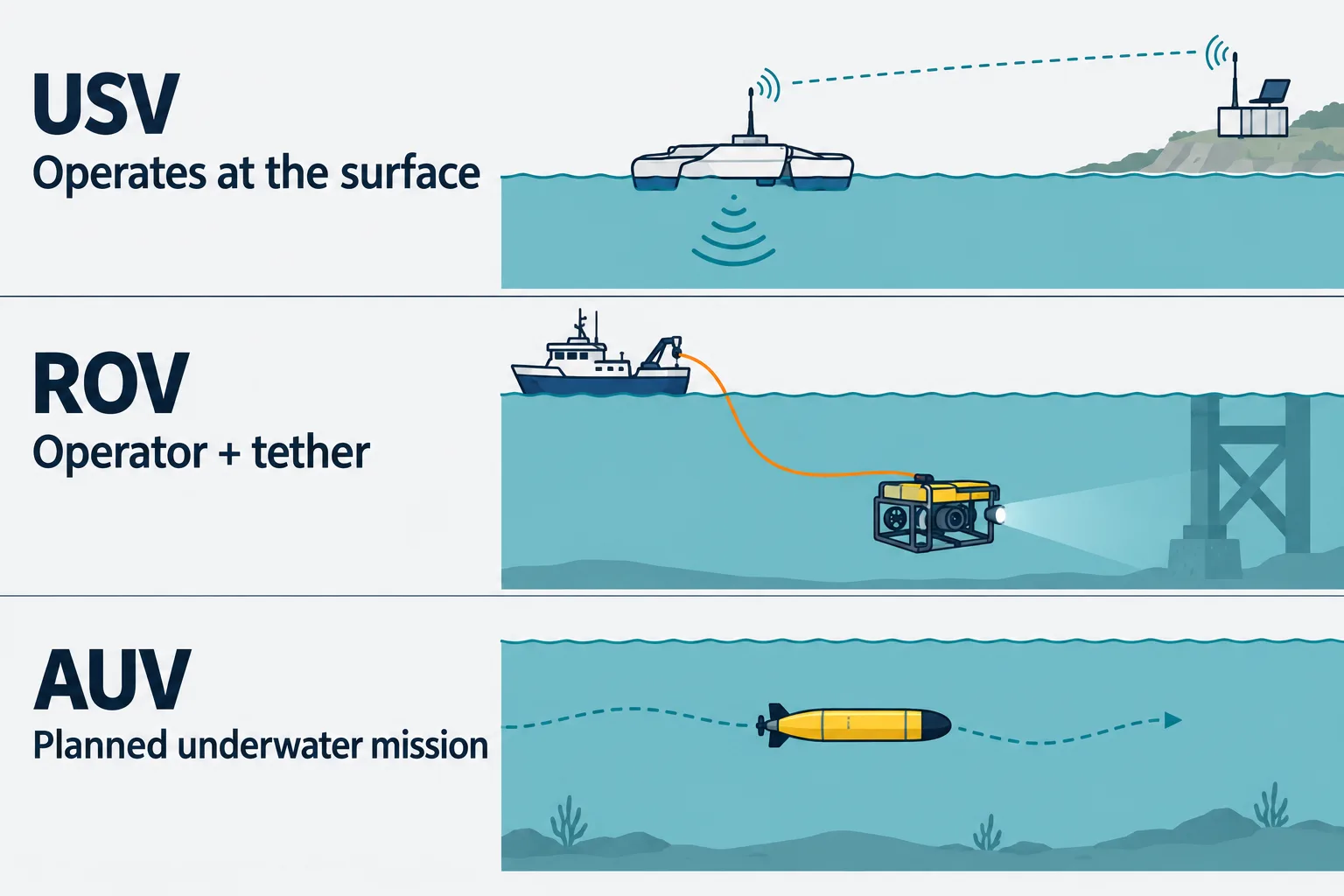
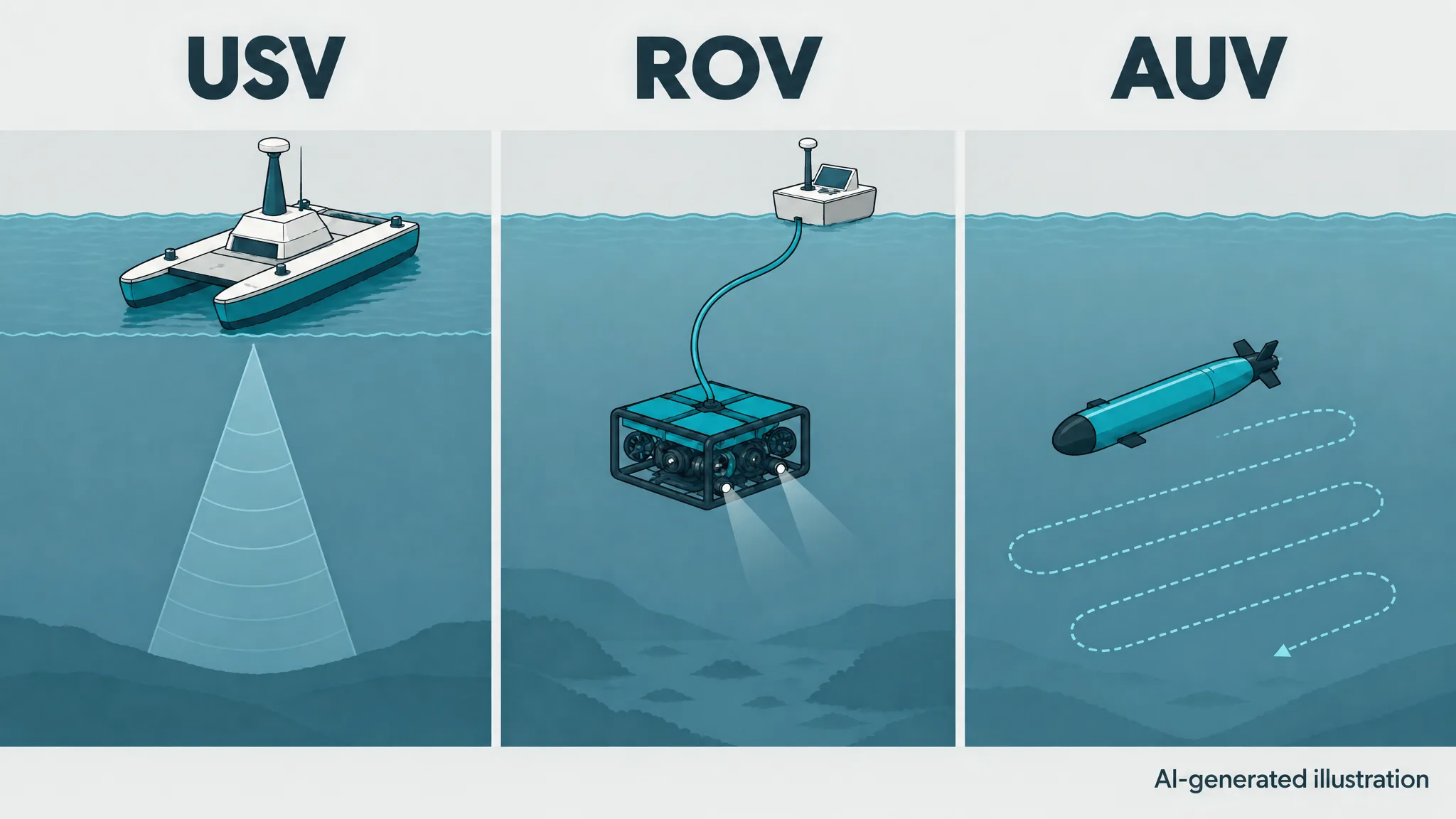
A surface vessel can measure below it without diving. If the instrument must travel underwater, compare working position, operator-control needs and data access with ROV and AUV arrangements.
Compare surface-carried measurements, live underwater control and autonomous underwater acquisition before comparing models.
USV vs ROV vs AUV: Which to Choose?Eight Aqua Helpers USVs publish mass and load on different bases. A reconciliation test shows which figures close and what the quotation must fix.
Read articleFive Aqua Helpers USVs publish wind and wave limits on three different scales. How to read an operational or survival rating before you decide to launch.
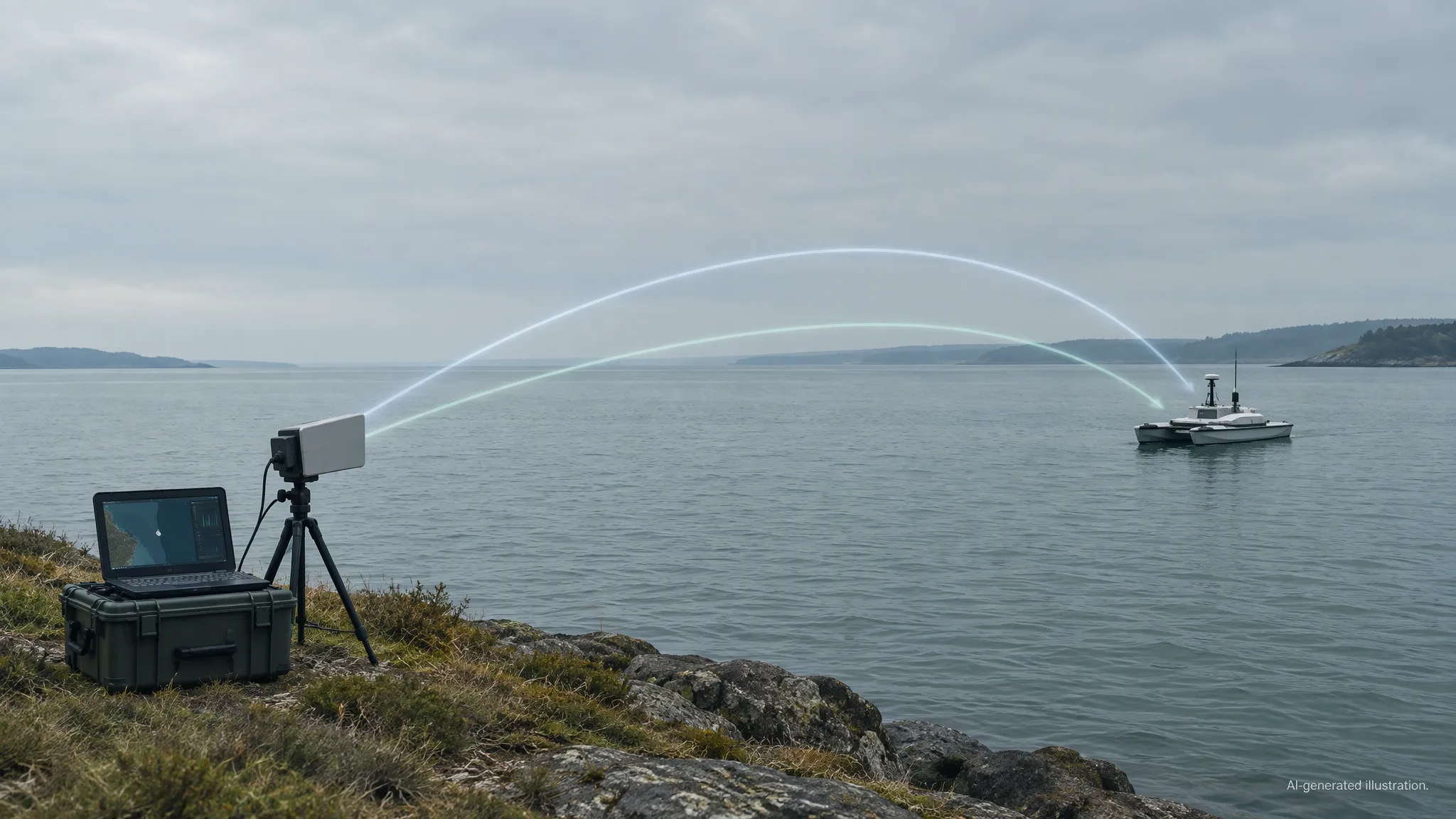
Read articleAcross the models we supply the image figure is never the larger one: what the two numbers measure, and which of them decides where the shore station sits.
Read articleContinue to the main Aqua Robot Supply website for application requirements, selection checklists and equipment specifications.
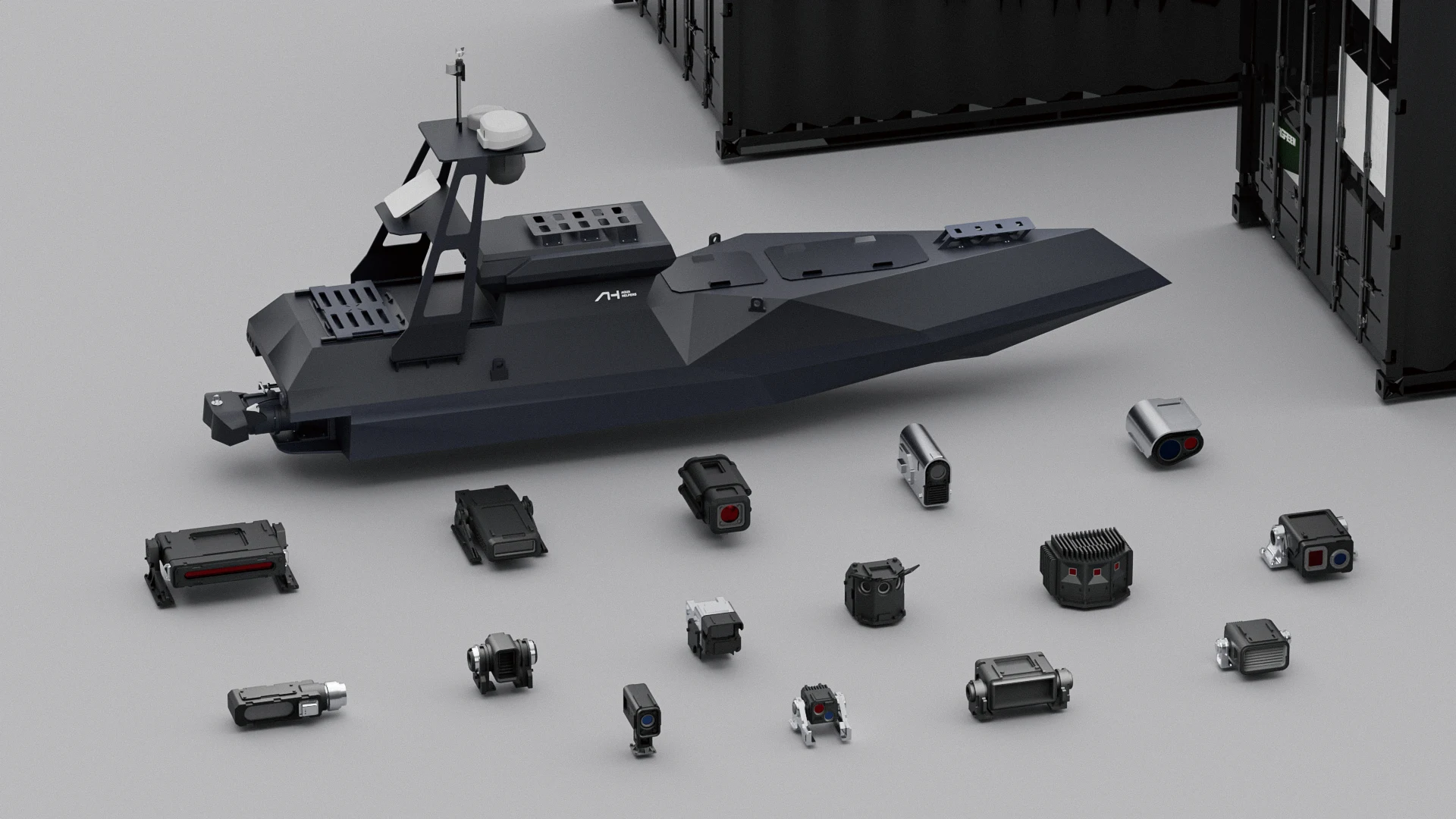
Connect the survey deliverable with instruments and installation needs.
Use the main-site checklist when you are ready to compare configurations.
Browse platforms and their model-specific specifications.